Pennsylvania Weekly Construction Recap – Top Stories for Week Ending August 15, 2025

Here are the top construction stories in Pennsylvania this week:

  • U.S. Steel Clairton Coke Works Explosion: A tragic explosion at the U.S. Steel Clairton Coke Works near Pittsburgh on August 11, 2025, resulted in two fatalities and at least 10 injuries. The incident caused significant damage to the facility, with emergency crews continuing search and rescue operations for a missing worker. The cause of the explosions remains under investigation, and the event has raised concerns about safety and environmental issues at the plant, which has a history of accidents and pollution-related lawsuits. READ MORE.
  • Penn Hills AML Reclamation Project Success: The Penn Hills AML Reclamation Project in Allegheny County was highlighted this week for successfully addressing long-standing issues from abandoned coal mines, such as flooded basements and dangerous mine discharge. Completed by August 12, 2025, this award-winning project has eliminated these hazards, improving living conditions for residents. WATCH VIDEO.
  • State Budget Update Featuring Infrastructure Money: The Pennsylvania House approved legislation that includes $292 million in additional funding for SEPTA, aiming to forestall service cuts that could have slashed up to 50% of transit operations statewide. Furthermore, the bill proposes $325 million in highway funding and $275 million for rural roads, which would sustain and potentially expand crucial infrastructure construction initiatives. READ MORE.

Stay Safe, Stay Informed & Keep Building Pennsylvania!

Pennsylvania Weekly Construction Recap – Top Stories for Week Ending August 8, 2025

Here are the top construction stories in Pennsylvania this week:

Pennsylvania is BOOMING: Pennsylvania’s construction sector is active, with $34 billion contributed to the state’s GDP in 2024 and 31,000 construction establishments. Projects like those in Pittsburgh and statewide infrastructure improvements (e.g., PennDOT’s 684 bridge projects in 2023) indicate robust activity. READ MORE.

Major Work on I-95 In Philly: Overhead sign structure installation will close I-95 North at night August 11-14 in Center City, with ongoing inlet repairs weekdays August 1-29 on I-95 North near Academy Road in Northeast Philadelphia. This represents one of the most significant traffic-impacting construction projects currently underway in the state. READ MORE.

Windfarm Upgrades Help with AI Data Center Growth: Exus recently secured over $158 million to boost capacity at the Twin Ridges wind farm in Somerset County—raising its output by around 30% to 170 MW—and to upgrade the Patton wind farm in Cambria County. These enhancements aim to meet skyrocketing energy demands from AI data centers across the state. READ MORE.

Stay Safe, Stay Informed & Keep Building Pennsylvania!

Pennsylvania Construction Weekly Recap – Top Stories for Week Ending July 25, 2025

Here are the top construction news stories across Pennsylvania for the week ending July 25, 2025:

  • Penn State University Construction Projects: Penn State continues to advance multiple transformative construction projects across its campus, including the recently completed Susan Welch Liberal Arts Building, the ongoing $115 million Osmond North Building (set for completion in January 2027), and renovations at Beaver Stadium, which could cost up to $700 million. These projects aim to enhance academic facilities, student housing, and athletic complexes, aligning with Penn State’s broader goals to improve campus life and infrastructure. READ MORE
  • Pennsylvania Budget Talks Stall Over Road & Bridge Funding: As the legislature works on the state budget, transportation funding has become a sticking point. Republicans are demanding substantial funding for roads and bridges—including up to $500 million in debt financing—while also resisting increases in public transit funding proposed by Governor Shapiro. This impasse has significant implications for the future of construction planning across the state. READ MORE
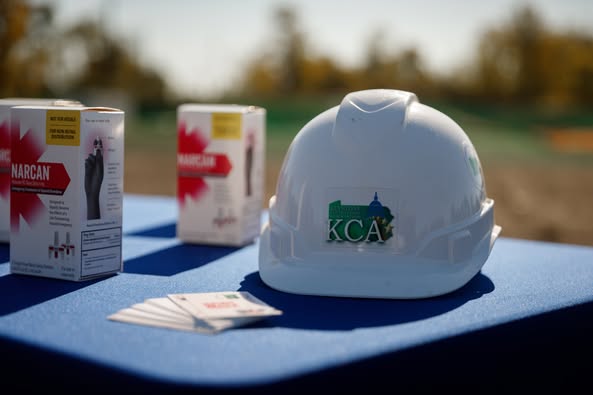
    • Pennsylvania Senate Designates “Construction Opioid Awareness Week”: The Pennsylvania Senate has officially designated the week of July 21-25, 2025, as “Construction Opioid Awareness Week” through Senate Resolution 133. READ MORE

    Stay safe, stay informed and keep building Pennsylvania strong!

    The Impacts of an Inefficient, Cumbersome Law

    The following article first appeared in the Keystone Contractor Magazine’s Spring 2023 edition. To view the entire issue visit: https://issuu.com/atlasmarketing/docs/the_keystone_magazine_spring_2023_final_issuu_0420?utm_medium=email&utm_source=sharpspring&sslid=MzcxtzQwMjE1MbcwAwA&sseid=MzI1MTUzNzOyNAAA&jobid=8e832794-eea0-4ecd-80ef-31f10ccb9ec3

    The Impacts of an Inefficient, Cumbersome Law

    The Separations Act – Wasting Tax Dollars Since May 1, 1913

    By Jon O’Brien

    President Theodore Roosevelt was among the admirers of Pennsylvania’s new Capitol building at the dedication ceremony on Oct. 4, 1906.

    “This is the handsomest State Capitol I ever saw,” the president said as he entered.

    While it was a magnificent building, the project was way over budget – three times more than the legislature allocated.

    The subsequent investigation resulted in a law that, while well-intended at the time to protect taxpayers from fraud, is no longer relevant today. Instead, it is costing taxpayers money because it requires inefficient construction methods on public projects.

    That $7.7 million Capitol overrun – the equivalent of more than $211 million today – triggered a probe that revealed grafting. Capitol architect Joseph Huston, superintendent of construction James Shumaker, general contractor John Sanderson, state Auditor William Snyder and state Treasurer William Matheus were sentenced to prison.

    With little financial stewardship, each convicted individual had profited tremendously. But this sort of illegal activity wasn’t just happening at the Capitol project – it was the norm on public projects at the time.

    Fast forward to 1913. Public outrage over the scandal remained. There was pressure on public officials to do something. Republican Gov. John Tener, a former congressman and major league baseball player, signed the Separations Act.

    It mandated multiple prime contractors on all public construction projects. The thought was that the more eyes there were on the project, the less likely that there could be collusion for fraud.

    Perhaps 110 years ago, enacting the Separations Act made sense due to the circumstances at the time. Other states imposed similar rules.

    But in this day and age, every cent can be easily tracked. Every other state has done away with their laws because they recognized they were outdated and that providing options in construction delivery methods is the most-efficient way to spend tax dollars on construction.

    Pennsylvania continues to cling to its law. Here’s how that is hurting taxpayers by driving up the price of constructing public buildings.

    Requiring multiple prime contractors – one for HVAC, one for electrical, one for plumbing and one for general trades – means the owner must bid out and manage four separate contracts.

    The primes are not contractually connected and this impedes communication with each other. This lack of contractual relationship also hurts the communication between the architect and the primes.  Each prime contractor and the architect are directly contracted with the project owner – like a school district, municipality or other government entity – and because of that all communication runs through the project owner.

    The lack of a single point of contact from the construction team creates a nightmare of a scenario for the owner. It’s inefficient and cumbersome.

    Most problematic is it eliminates the possibility of collaboration during pre-construction,  which is a more-efficient method of construction. If early collaboration were allowed between the project architect and a single construction manager, projects would proceed more smoothly. Hurdles could be anticipated and resolved in advance. Without collaboration, expertise from the construction team is sparse, if at all, during the design phase.

    Legislation has been proposed several times in recent years that would do away with or amend the Separations Act.

    During a legislative budget hearing in 2017, state Secretary of General Services Curt Topper testified that the Separations Act “requires that we do business less efficiently than we could otherwise do business.”

    He said the old law “effectively sets up a situation where it is much more difficult to design a project, to bid a project and to manage a project. So, I’d love to see us address that problem.”

    Yet the law remains on the books.

    Its inefficiency is well-documented.

    From 2000 to 2010, public education projects could opt out of the Separations Act through the Education Empowerment Act that was enacted during Gov. Tom Ridge’s administration. Seventy school districts applied for the waiver during that period, an indication of the unpopularity of the Separations Act.

    The Allegheny Conference reviewed some of those projects and issued a report concluding that savings of between $8,000 to $2.5 million were achieved on school construction projects that used a single prime contractor instead of multiple primes.

    Kennett Consolidated School District did one project with a single prime and one with multiple primes per the Separations Act. The single prime project was finished two months ahead of schedule and $300,000 under budget. The multiple prime project came in over budget. This is just one the many examples to show that the Separations Act is costly to taxpayers.

    There is a long line of organizations, trade unions and governments that are lobbying for modernization of the Separations Act.

    They include: Pennsylvania Chamber of Business & Industry, National Federation of Independent Businesses PA Chapter, Pennsylvania School Board Association, Pennsylvania Coalition of Public Charter Schools, Pennsylvania Association of School Business Officials, PA Association of Rural and Small Schools, Green Building Alliance, Green Building United, U.S. Green Building Council Central PA, Keystone Contractors Association, Master Builders’ Association of Western Pennsylvania, National Utility Contractors Association Pennsylvania chapter, Association for Responsible and Ethical Procurement, Carpenter Contractor Trust, Construction Legislative Council of Western Pennsylvania, Design-Build Institute of America, General Contractors Association of Pennsylvania, General Building Contractors Association, Cement Masons Local 526, Eastern Atlantic States Regional Council of Carpenters and Laborers’ District Council of Western Pennsylvania.

    Many public owners want to modernize the Separations Act and a few of the more vocal ones include: Philadelphia School District, Pittsburgh Water and Sewer Authority, Peters Township School District, Cumberland Valley School District and Community College of Allegheny County.

    Jon O’Brien is Executive Director of both the Keystone Contractors Association and the General Contractors Association of Pennsylvania. He can be reached at 717-731-6272 and Jon@KeystoneContractors.com.

    Pennsylvania’s Rising College Tuition Isn’t Helped by Outdated Construction Law

    Recently Penn State University announced they approved a tuition increase for incoming students, joining Temple University and University of Pittsburgh. As families continue moving from a pandemic towards normalcy, I am sure the last thing they wanted, or expected, was to see the price tag of education to increase for their students.

    A lot of costs go into the background of the high costs of college. Facilities management and maintenance are one important component. If construction procurement reform had been put in place, to put us in line with the rest of the country, I wonder if this tuition increase could have been avoided. As one of the last few states requiring the use of multiple prime contractors on each public construction project, and enforcing it more strictly than other states, Pennsylvania is stuck with an archaic business practice. Referred to in Pennsylvania as the Separations Act, this requirement was enacted in 1913.

    So, what exactly is the Separations Act? And why should students at state-related universities care?

    In essence, the Separations Act forces the public owner, like the state-related universities, to serve as the general contractor for a project and each of the multiple primes contracts directly to the public owner. Without a single entity directing the project and with plenty of finger-pointing, this is an inefficient contract delivery method fraught with problems such as delays and claims, which are the norms and culprits leading to public projects being over-budget.

    This multiple prime delivery system is virtually nonexistence in the federal, private, residential, and commercial markets – and in fact when the state-related universities spend their own money for construction projects, they very rarely use multiple prime delivery because they want their money spent efficiently. Yet the state-related universities are forced by state law to use the multiple prime delivery system when it is building projects funded by the state.

    On average, a multiple prime delivered project costs 10% more. For that reason it makes sense for these schools to avoid this process when spending money from alums and other contributors. One would think our legislature would have that same sentiment about taxpayers that these colleges have for their donors.  

    It’s time to modernize the Separations Act by affording our public sector a list of proven delivery methods to select from. Construction is not a one-size fits all industry and there is no perfect delivery method. A construction client’s priorities (i.e., cost, quality, time, safety, etc.) vary from project to project and the customer should be allowed the opportunity to select the most appropriate delivery method for a particular project on a case-by-case basis. Senate Bill 823 of 2020 provided those options.

    By no means am I saying that modernizing the Separations Act is the be-all end-all solution to stop tuition inflation, but when Pennsylvania knowingly operates inefficiently while my neighbors see a tuition increase at our fine state-related institutions, I feel inclined to speak up. Now is the ideal time to address inefficiencies in our procurement process on behalf of current and future college students.

    KCA Announces Virtual Legislative Event – Feb 1 at 10 AM

    TITLE: Legislative Insiders Provide Insights to the 2021/22 Pennsylvania General Assembly Session

    WHEN: Monday, February 1st at 10:00 AM

    VIRTUAL: KCA’s Zoom Channel

    If you’re wondering what may happen in Harrisburg, Pennsylvania during this upcoming legislative session, then this is the event for you. Listen to respected capital insiders as they share their opinions on the upcoming legislative session.

    This event features:

    • Stephen Caruso of Pennsylvania Capital-Star
    • Alex Halper of Pennsylvania Chamber of Business & Industry
    • Jan Murphy of PennLive/ The Patriot-News
    • John Wanner of Wanner Associates
    • Moderated by Jon O’Brien of Keystone Contractors Association/ General Contractors Association of Pennsylvania

    To register please email the Keystone Contractors Association (SethKohr@KeystoneContractors.com).

    Building PA Podcast 2020 Year In Review

    The Building PA Podcast made it to the 2020 finish line. The Keystone Contractors Association enjoyed working with Atlas Marketing in this endeavor as we talk construction with Pennsylvania’s construction professionals. Afterall, it was the guests who were the true stars of this podcast and we thank each and every guest we’ve had on the show. In 2021 and beyond, we look forward to getting more of you to join the conversation!

    For more information on the Building PA Podcast, please visit: https://buildingpapodcast.com/

    Building PA Podcast Shareable 2020 Fun Facts

    Building PA Podcast published 46 episodes in 2020. The first was Business of Construction – Crisis communications published April 03 and the last was How Drone Technology is Impacting the Construction Industry published December 14. Did we improve this year? (Tweet)

    In 2020, the most popular episode of Building PA Podcast was Apprenticeship Training – Sheet Metal Workers, published April 05 and downloaded 208 times. What was your favorite episode? (Tweet)

    In 2020, Building PA Podcast was downloaded 902 times from Harrisburg, Pennsylvania; our most popular city! Where do you listen from? (Tweet)

    In 2020, fans of Building PA Podcast listened most using Apple Podcasts, iHeartRadio, and Your Buzzsprout Site apps. What’s your favorite app for listening to podcasts? (Tweet)

    In 2020, Building PA Podcast published 46 episodes totaling about 21 hours of content. That’s about 1,250 minutes or 75,018 seconds for your listening pleasure. What was your favorite episode?(Tweet)

    GCAP: Governor’s Veto of Legislation that Provided COVID-19 Liability Protection for Employers is Disappointing

    November 30, 2020, Harrisburg, PA – The General Contractors Association of Pennsylvania (GCAP) was one of eighty Pennsylvania associations who united, led by the Pennsylvania Chamber of Business & Industry, to support House Bill 1737.  This legislation included comprehensive, temporary, pandemic-related liability protections.  A statewide, collective sigh of rejection from the eighty organizations happened today when Governor Tom Wolf vetoed HB1737.

    GCAP executive director Jon O’Brien issued the following statement in response to Governor Tom Wolf’s veto:

    “Across Pennsylvania, during the COVID-19 pandemic, construction companies have been focused on keeping the workforce safe while trying to recover economically.  GCAP construction companies have been exemplary in abiding by Pennsylvania’s Construction Guidelines and we continue to share our best practices with Pennsylvania Departments of Community Economic Development and Labor & Industry.  Also, concerning the guidelines, I feel compelled to point that we assisted in creating them (Governor Wolf’s press release announcing the creation of Construction Guidelines).”

    “This veto was deflating and comes at perhaps the worst time.  During these unprecedented times, many construction companies are working in good faith when it comes to arming our workers with the PPE to be safe on the jobsites, since these PPE costs were not part of the original estimate and no one foresaw what 2020 would bring.  Many clients are telling contractors that ‘they’ll settle up’ after the project on added PPE costs.  Additionally, backlog of future work is down since some clients are unsure of what the future holds so they are not willing to put work out to bid.  Our industry was hopeful that we could get some good news and some much-needed liability protections, instead construction companies have to keep their guard up against trial lawyers anxious to profit from the pandemic.”

    “The construction industry will get through this pandemic stronger and smarter than before.  Our industry always learns from challenges that face us.  While the veto of HB1737 was definitely disappointing, we look forward to working with the General Assembly and groups like the Pennsylvania Chamber to improve our economy while keeping our workforce safe.”

    ABOUT GCAP: Established in 1953, GCAP is an organization representing the memberships of General Building Contractors Association, Keystone Contractors Association, and Master Builders’ Association. Collectively, GCAP represents over 700-plus commercial construction companies based throughout the Commonwealth of Pennsylvania. For more information visit https://generalcontractorsofpa.com/.

    ## end ##

    The Pennsylvania Races I’ll Be Tracking Election Day

    Like most of the country I’ll be watching the presidential election this year, heck I watch it closely every four years. I hope it’s fair and, most of all, I hope after the winner is announced that the entire country gets behind and supports this individual. However, since my work is at the state level, this article is about races in the Pennsylvania legislature that I’ll be closely watching this year.

    Here are the races that I find intriguing:

    The Home Game

    I’m a believer that citizens need to know who represents them and people should not blindly vote in elections. Get to know your elected officials and see how they vote on issues that affect your life. For the past few years, our family has lived in Dillsburg and here are our races:

    Senate District 31 Race: Mike Regan, R (incumbent) v. Shanna Danielson, D

    House District 92 Race: Dawn Keefer, R (incumbent) v. Doug Ross, D

    As an advocate of businesses, especially small businesses, one factor I consider when gauging the performance of a legislator is how they treat businesses in their district and in turn how local businesses feel about their elected officials. I’ve yet to encounter a single business who is displeased by the two incumbents – Mike Regan and Dawn Keefer. Additionally, for Regan, I really like the effort he puts into helping our veterans – they served our country and he doesn’t forget about them as a Senator. As for Keefer, just ask her a question related to the state budget and tax dollar expenditures and get ready to hear a passionate and intelligent response.

    As for their opponents, campaign staff from Danielson contacted me a few times the first week of August about the State Senate race (I think registered Independents get extra unwanted love come election time). The staff asked if I would accept a call from Shanna to hear directly from her about her priorities and I said “sure.” As of the publishing of this article, I never received that call. And for the House race, I have seen three Ross signs in Dillsburg and that is all that I know about this individual.

    Will Flippers Get Flopped Out of Office

    In September of 2020, a piece of legislation that allowed school districts to be in charge of attendance and safety protocols at sporting events passed in both the House and Senate with veto-proof numbers. Governor Wolf vetoed it. The Pennsylvania House tried to override the veto. 24 Representatives from the House flipped their votes and the House was unable to advance the override to the Senate. Nine of the 24 flippers have opponents in the General Election while the rest run unopposed. Of the nine, I’ll be watching these three:

    House District 33 Race: Frank Dermody, D (incumbent) v. Carrie Delrosso, R

    House District 143 Race: Wendy Ullman, D (incumbent) v. Wendy Labs, R

    House District 163: Race Michael Zabel, D (incumbent) v. Michael McCollum, R

    It’s tough to beat an incumbent. More info on these races:

    I find the Dermody v. Delrosso race fascinating due to the labor support…for the Republican candidate. For a Democrat Leader in Harrisburg, it’s just kind of assumed that labor unions have your back, but not so much in this race. Delrosso has backing from numerous building trade unions like the Laborers District Council of Western PA, International Union of the Operating Engineers Local 66 and the Cement Masons Local Union 526.

    A few weeks ago Wendy Ullman notoriously made national headlines when she jokingly said to Governor Wolf during a press conference that wearing a mask is ‘political theater’ and then laughter followed. It was a bad look for a politician.

    For Michael Zabel, I found his comments on the House floor related to this legislation to be inappropriate in my opinion. Yes, COVID is real and yes COVID is scary, but our state has been impacted differently across the state and I don’t think we should have one rule to follow – science and data prove that rural areas have been hit less than Philadelphia yet a place like Elk County follows the same rules. By saying that people at high school sports to watch our kids is a “frivolous use of legislative resources” is a ….well I want to keep this article PG.

    NOTE: Days after this article was written, the State House of Representatives attempted another veto override. This time it was in relations to capacity limits and mandates for restaurants and bars. The override of House Bill 2513 fell two votes short in the House because 12 Democrats flipped their vote; Mr. Zabel was once again one of the flippers.

    Blue Targeting Some Senate Seats

    It’s tough to beat an incumbent. Prior to the 2018 Elections, the Republicans had a healthy 18-seat lead in Pennsylvania’s upper chamber. After the 2018 Election, the Democrats picked up five seats to close the margin. Due to one sitting Senator allegedly questioning the direction of the Democrats in Harrisburg and switching to an Independent, the minority party now needs to flip four seats in 2020 to gain control. Here are four seats that Democrat politicos are talking about:

    Senate District 15 Race: John DiSanto, R (incumbent) v. George Scott, D

    Senate District 9 Race: Thomas Killion, R (incumbent) v. John Kane, D

    Senate District 49 Race: Daniel Laughlin, R (incumbent) v. Julie Slomski, D

    Senate District 13 Race: Scott Martin, R (incumbent) v. Janet Diaz, D 

    I don’t think any of the incumbents have done anything to warrant a change and businesses in their district speak positively about each. But hey, it is 2020 and anything can happen, so I’ll be tracking the races.    

    Other Important Senate Races

    It’s tough to beat an incumbent. I keep hearing about the four seats listed directly above when it comes to flipping the Senate; however, this sentiment assumes all other incumbents win their race in the Senate. I don’t think Senate Districts 37 and 45 are slam dunks for the incumbents. While Pam Iovino has the upper hand and will be difficult to beat, this should be a competitive race. Not only do we have two veterans vying for this Senate seat, which I love to see, but since 1981 Republicans have held this seat for 35 of the past 39 years. As for District 45, with incumbent Brewster, a casual viewer might see it as an easy win for the Democrat, but in 2016 Trump performed way better than expected in this district and since Brewster has been running unopposed in the past, it’s unsure how things will play out in this race.

    Senate District 37 Race: Pam Iovino, D (incumbent) v. Devlin Robinson, R

    Senate District 45 Race: James Brewster, D (incumbent) v. Nicole Ziccarelli, R

    The Metcalfe Watch

    In 2002, as I was in the process of getting married and graduating from University of Pittsburgh,  I moved to Cranberry Township, PA (an area north of Pittsburgh). Shortly after moving there I called the offices of both the State Senator and Representative – I did this to get to know the people who represent me and it was not job related (I wasn’t hired in a government affairs position until a few years later). I never heard from the office of the Senator. As for the office of the Representative, they called to ask if I’d like to meet for a morning coffee and I said yes. I showed up not knowing what to expect and thinking maybe a staffer might show up to hand me a Metcalfe pen or sticker. I end up meeting with Daryl Metcalfe and it was an enjoyable conversation. I was impressed how he insisted on getting to know his constituents. A few years down the road, I started working in the union construction sector and every two years I hear this from Democrat supporters in Harrisburg: “this is the election that we finally get to take down Metcalfe.” But here we are, and Daryl is going for his 10th re-election term.

    House District 12 Race: Race Daryl Metcalfe, R (incumbent) v. Daniel Smith, D

    Tuesday, November 3 should be a fun night as results come in. I can’t wait. What races are you watching? I’d love to hear from you. To get in touch with me, email me at Jon@KeystoneContractors.com.

    Building PA Podcast: Season 1 – Episode 6: CASPA Law Discussion

    Back in 2016, when I moved back to central PA, I was welcomed with open arms by the KCA Board – awesome people, so thankful these amazing and friendly people are in my life and my family’s life. Outside of the KCA Board, I was fortunate to meet such great industry people like Michael Metz-Topodas. Michael’s an awesome dude and I’m glad to call him my friend. It’s crazy to think us two PA people could have met in 1990s when I was living in Norfolk, Va and he was living across the Bay-Bridge tunnel in Hampton Roads, VA. Regardless of when we met, I’m glad it happened.

    Michael is a wealth of construction contract knowledge. Give this podcast a read below with this transcript or click to hear him educate Chris Martin and me:https://www.iheart.com/podcast/269-building-pa-podcast-61501833/episode/business-of-construction-caspa-law-61532373/

    Chris Martin (00:00):

    Hello and welcome to the latest edition of Building Pennsylvania Podcast. I’m Chris Martin with Atlas Marketing

    Jon O’Brien:

    And I’m Jon O’Brien from the Keystone Contractors Association.

    Chris Martin:

    And today we are going to be talking with Michael Metz-Topodas of Cohen Seglias, and we are going to be talking primarily and asking Michael’s input on CASPA law and how that affects contractors throughout the Commonwealth. Michael, thanks for being here. Yeah. Welcome Michael.

    Michael Metz-Topodas (00:40):

    Yeah, it was great to be here. Appreciate it guys.

    Chris Martin (00:43):

    Thank you. I know we have a lot of questions, so let’s dive in here. And Jon, I know you wanted to lead with the first one, so let’s go from there.

    Jon O’Brien:

    Yeah. Michael, how about we start real basic. And how about just kind of explaining what is CASPA? The Construction & Subcontractor Payment Act.

    Michael Metz-Topodas (01:05):

    Exactly. Jon said it best the Contractor & Subcontractor Payment Act. Generally speaking is a statute in Pennsylvania. It applies to private projects and it outlines a certain requirements regarding payment to both contractors and subcontractors. In particular, it allows for either contractors or subcontractors to obtain additional relief beyond what they might be able to get in the contract or under Pennsylvania contract law, additional relief where those contractors or subcontractors have not been paid under the terms and conditions of their contracts in particular. It allows for an additional 1% interest penalty per month or sorry, 1% yearly interest that’s calculated per month on any unpaid balance and as well, one of the most aggressive features of it is it allows for a contractor or subcontractor who has not been paid to recover its legal fees for any litigation or other legal action that needs to take to get itself paid. That’s generally what the statute does. There are a lot of details that it provides for us to how you go about that. But in essence, it was created to protect contractors and subcontractors to give a little extra ammunition for them to make sure that they’re paid for work performed on a project. And that should be work that is undisputed with respect to the amount of what is paid.

    Jon O’Brien (02:40):

    You lead us off here. We’re setting a nice foundation there, cause we’re talking a little CASPA today. Michael, did an awesome job there. And as both, you know, Chris and Michael, as you both know, KCA does a lot with politics in the Harrisburg state Capitol. And it seems as though with CASPA every few years, this issue pops up and there’s a movement of foot amongst the construction industry to kind of tweak CASPA a little bit and improve it. And one of those tweakings came along last session and House Bill 566 came, which passed through the legislature and Governor Wolf signed as Act 27. And are you you’re pretty well versed on that, on that piece of legislation. Aren’t you Michael, you want to touch on that for a little bit.

    Michael Metz-Topodas (03:35):

    Yeah, no doubt. As, as most of the construction bar was certainly well attuned to what was going on with the changes to CASPA we saw it coming and we all eagerly awaited back in October of 2018 when that bill became law after it was signed a few months earlier it was certainly an interesting and compelling change to how CASPA was structured. I believe it came out of you know, a push from some of the subcontractors to afford them the opportunity to recover and still enjoy the benefits of CASPA because there they were being pushed in certain instances to forego some of the rights that they may have otherwise had. There are several changes that the law created for CASPA, but I really will only focus on the three major ones that became the focus of a lot of the literature and a lot of the discussions that the bar had regarding the changes. The first one involved waiver essentially the statute provided that any contract that asks or purports to have an agreement by a contractor or a subcontractor to waive that entities rights under CASPA, that provision, no matter how many times people agreed to it, signed it initially at whatever is null and void and unenforceable under Pennsylvania law.

    Michael Metz-Topodas (05:06):

    So that was the first revision there and made it easy for contractors and subcontractors with regarding those provisions, because they could sign the contract and not have to worry about waiving their CASPA rights cause it’s unenforceable. And it’s one less thing to negotiate. You know, during the course of ramping up to getting started on a job the second provision, the second change that the Act amended CASPA render concerned on concern suspension of work for either contractors or subcontractors. And it outlined a schedule that was sort of the floor by which a contractor or subcontractor could effectively suspend work. Oftentimes construction contracts will have provisions that require a subcontractor or a contractor to keep on working despite disputes about payment. This change though, is to make sure that if it’s an undisputed amount then a subcontractor would not have to keep, you know, essentially working for free or, or financing a job.

    Michael Metz-Topodas (06:10):

    That’s sort of the complaint you hear often from those in the industry, you know, I keep working on financing the job. And so these provisions now allow for a contractor or subcontractor to walk away only a certain procedures are followed. So first you have to wait for the billing period and the payment due date to expire. So at 30 days past the payment due date, a contractor or subcontractor can send written notice to the owner or to the general contractor form it as an agreement notifying that entity that payment has not been received at that point. However, the contractor or subcontractor still has to keep on working and another 30 days needs to go by at which point a second notice would be sent. Now, I certainly recommend that those notices identify the amount owed and identify all the 30 days has passed, identify the statutory provisions.

    Michael Metz-Topodas (07:08):

    And then also remind you the contractor or the owner that if payment is not received that in accordance with CASPA, work would be suspended. So after the second 30 days, you send a second notice providing all of the information I talked about earlier, as well as notifying the recipient that after another 10 days of nonpayment the contract or subcontract will have a right to suspend work and we’ll exercise that route. Right. and importantly to that second notice must also go to the owner. That’s in particular for subcontractors, obviously the general contractor is already going to be notifying the owner, but for subcontractors, they make sure the owner gets a copy of that second notice for obvious reasons an owner doesn’t want to see its project appended or, or paused for any reason, especially if it can make sure that just by putting a little pressure on the general contractor can keep the project moving along.

    Michael Metz-Topodas (08:05):

    And then as well as you can see, there’s an obvious benefit to the subcontractors too. So these are the procedures that somebody out in the field needs to follow in order to make sure that they can properly suspend work on a project for nonpayment of again, undisputed amounts. You can have this schedule short and I called it a floor earlier. You can have it shortened by way of contractual agreement, but you can not have it lengthened. So any contract that has terms and conditions that lengthen any of these periods for notice and suspension, they too would be null and void under CASPA. And therefore it would default to what is provided for the statute, the final major change that the admitted CASPA concerned with holding of amounts out an owner or a contractor can withhold amounts from the general contractor or a subcontractor for deficient work.

    Michael Metz-Topodas (09:10):

    However now under the new CASPA that owner or general contractor must provide a notice of the withholding and an explanation for the reason for the withholding and must do so from within 14 days of the decision to withhold, that applies irrespective of what other contracts or requirements might be. And also in terms of whatever payment schedule might be there. So once the decisions made about withholding there needs to be a notice provided if however, the owner or the general contractor fails to provide this notice then the right to withhold is waived and the payment must be made. So that’s a very important provision. It serves two functions, one, it allows the subcontractor or the general contractor, whomever it may apply whatever the case may be. It allows that entity to correct any work that might be deficient or address the reason for the withholding and as well it ensures that if an owner isn’t conscientious and just withholds the money, but it doesn’t have a good reason or cannot provide one.

    Michael Metz-Topodas (10:23):

    Then there, isn’t an unnecessary dispute over arbitrary withholdings and that the parties get a, that this isn’t used as leverage over a contractor or subcontractor for their work on the project. I know a lot of that gets, you know, down into the weeds as to how all of these things operate. And it’s really, we’ve given even a very you know precise recitation as to how these provisions operate. I think though that anybody out in the field can see that with all of these measures in place it changes the dynamic as to how a project would proceed. And it gives a great deal of advantage to contractors and subcontractors in the event that they are denied payment, that they are otherwise entitled to. And so it affords that, you know, money is flowing properly that there aren’t suspensions of payments you know, for reasons that aren’t justified and ensures that a project moves efficiently in a manner that’s beneficial to everyone.

    Chris Martin (11:26):

    Very, very thoroughly explained there. Thank you, Michael, for that, for the third item, though, the withholding that does that notice have to be written, or can that be an oral statement from the owner and or GC? I know that’s written notice written. Okay. Yeah. Just thoughts. I just wanted to make sure about that. And then as far as the suspension of work, there’s quite a few notices that you mentioned. So if you max out on all of those notices, you’re getting close to a hundred days, I believe, right.

    Michael Metz-Topodas (12:02):

    It could be that long, depending upon, you know, how the payment schedules are set up in the original agreement. Yes. And that was one of the critiques that was brought out. And some people said, well, wait a second. Yeah, that’s terrific. I can suspend work, but my goodness, you know, it’d be so long. I might already be done with my work. If you’re an excavator on a small project, you might be done by the time it comes time to suspend. So yeah, so the one hand there’s a certain benefit, but that practical consideration was noted that that said, Jon, there is a possibility that those who do have a shorter timeframe for work on a project could negotiate perhaps a more favorable schedule. It just depends upon whether it’s worth it to the subcontractor. And that really comes down to a business decision, but I’m glad you asked that question because it really gets down into the intersection as to what the law provides and then how it really operates for guys out in the field. Those sometimes can be two different things.

    Jon O’Brien (12:57):

    Yeah. You mentioned the site work. I was thinking that as well for the site work, but then also as far as the small, you know, mom and pop shops that get in there might do a little interior work and they’re done in a week or so, you know, their works long gone. And they’re the people that probably need this law the most. And they have to wait for a long amount of time like that. So I’m just thinking out loud here.

    Michael Metz-Topodas (13:20):

    Well, they might have to wait, but I think the other point is it just might not apply to them. And I think that’s what you’re getting at as well. And it’s a good point is okay, fine. Then they can suspend their work. They finish it and they move on all the other protections that cast before it’s remain. And so if there’s no dispute from the owner about that, the workers performing the money is owed, and for whatever reason that owner or general contractor doesn’t want to pay, they’re going to be subject to that 1% penalty among others. And as well, subject to attorney’s fees for the collection, if it’s a small enough amount, those attorney’s fees could be a substantial portion of the amount. You know, that entity is that business is seeking to get paid. And, that’s a great advantage to allow those small mom and pop shops, Jon, because you know, oftentimes those entities would forgo their rights and just say, well, I can’t go, I agree. You go for that money. It’ll cost me too much money to get what I’m seeking. Well, now, if you know that you’re protected by, but then you can go after the money you’re entitled to. So in that respect you know, cast was original provisions are the ones that are for some of the best protection.

    Jon O’Brien (14:26):

    Yeah. Good point. Good point there, Michael. Yeah. Also, I mean the law just recently went into effect this year. I believe. I don’t have the exact date, but it’s probably too early to tell any sort of actual feedback, you know, in the field feedback, have you heard anything at all?

    Michael Metz-Topodas (14:43):

    You know, we really haven’t, I’m kind of surprised by that. The issue of the suspension just hasn’t come up typically. We often advise our clients to continue to keep working on a project only because suspension and again, I mean, look, Jon, you got us right back to the, I think that the key point, which is the law can have its provisions, but what really happens in the field could be different. And that is that if a subcontractor or a contractor decides to suspend for nonpayment, if for whatever reason that entity, that business guesses wrong. And they did not have justification for suspending work, let’s say they were not entitled to the payment that that business was seeking. Then that entity would be liable for all the delay damages, the damages that flow from that suspension. So you gotta be careful now, granted, if it’s, you know, if it’s clear on the project that looked the work was done, there were no objections and then people moved on and, and accepted it then.

    Michael Metz-Topodas (15:46):

    Yes. I think go ahead and suspend it and not worry about any of the delays. But if there’s any dispute about that or any uncertainty, then you just need to calculate that risk. And the liability that could flow from that even so, you know a measured and calculated suspension you know, could be another way to make sure that payment properly flows. But again, as you point out with that kind of long period there, sometimes the work required it might be long gone long done and completed before that suspension period ever arises.

    Jon O’Brien (16:19):

    Yeah, that’s true. My favorite is whenever I find myself in the halls lobbying for bills like this and the various subgroups come up to me and they say, you know, if we could only work for your GCs all the time, we wouldn’t have to do measures like this, you know? And I’m like, yeah, but when we do measures like this, you know, we have to change the way we operate just to make sure we’re abiding by the new law and the new contract.

    Michael Metz-Topodas (16:48):

    Oh, that’s such a great point only because I don’t know, I know we, you and I have talked about this. Others may not know, but before becoming a lawyer, I was a teacher. And one of the things I learned as a teacher in terms of making rules or policy for people is you gotta make your rules for the worst kid in class, not the best kid in class, unfortunately. So good to see the same rule applies in legislation, right? Absolutely.

    Chris Martin:

    And that’s a good point, Michael. Michael, I have a question for you. So clearly you have a solid understanding of this law and really know how it, how it works, but if I’m a contractor or a subcontractor, what’s the process that I have to go through to actually make a claim or file under the, under the legislation. If I feel like I’m not being paid accordingly.

    Michael Metz-Topodas (17:43):

    That’s a great question Chris. And it’s actually a very pointed and almost obscure legal question. We have this debate in the hallways of our firm all the time. I’ll give you the short layman’s answer first, and then maybe we can get to some of the technicalities legally call your lawyer. And that started there. Quite honestly thankfully there, unlike the mechanics lien law, CASPA was a little more forgiving and doesn’t have quite the stringent requirements as to what you need to do to operate under it, separate apart from some of the withholding and suspension provisions. We already talked about any time we file, for example, our firm, we filed complaints against either general contractors or not paying our owners who are not paying we’ll include a breach of contract claim. We’ll include a casebook claim. And we’ll just do it as a matter of course assuming that there’s an undisputed amount for which payment is owed and I can get into later if you guys are curious to why I keep saying undisputed amount, but that’s, that’s a separate issue.

    Michael Metz-Topodas (18:43):

    But there is this sort of a stylistic debate as to whether you even need to have a separate CASPA account, and you can just put the CASPA damages as part of the breach of contract either way. The way to bring in the way they get recovery under CASPA is to, by bringing legal action. You could arguably, if you have an owner or a general contractor who is not paying, you could just make a request or a demand letter, a demand for that payment and ask for the CASPA damages. But I can’t see to any owner to GCs, we’re going to cough up the interest in attorney’s fees, unless there’s a court order, making them do it. So going to courts the only way and very often to you know, you’ll follow that legal action and then find some sort of settlement you know, that will account for some of those costs, but damages, if you can, otherwise just their mere existence are enough to drive people, to finding a way of resolving a dispute.

    Chris Martin (19:37):

    Perfect. Thanks, Michael. Yep. No problem. And that’s good for, for our listeners so that they understand, and I kind of figured the first response was going to be call your lawyer cause that’s what I would be doing too. So another question for you in your experience, is there a typical contracting category for that that typically has to fight for this, this form of payment? You know, you mentioned an excavator earlier, you know, like maybe there’s a, is it, do you typically see this in like tile contractors or, you know, residential versus commercial, like help us understand where the, that typically happens.

    Michael Metz-Topodas (20:24):

    I haven’t made any formal study as to any sort of percentages of that would be a fascinating question to see you know, it’d be a twofold analysis. Who’s not getting paid and then who’s bringing CASPA claims and they’re not always coextensive with each other. That’s not always the same group of people. But certainly I think as we all know, they’re the pressure flows downhill, if you will. And so very often we see a lot of subcontractors, you know, guys who are sort of towards the bottom of the food chain, if you will. Well, I should say the contractual chain only by way of just their positioning on a project. They sometimes fail

    Michael Metz-Topodas (21:03):

    Certain amount of pressure in terms of, you know, not being able, not receiving the payments promptly or, or payments that are owed or an attempt to try to leverage negotiation from the original amount agreed upon for work perform. And so that, that tends to be yeah. How it will play out. I think really to give a full answer to that Chris would be the subject of a whole another podcast. We actually, as a firm, do a whole presentation on all the things that occur on a project where there are pressure points applied to subcontractors to trim if you will, the amount they otherwise expected to collect for the work performed based on the agreement they have. So it’s a really complicated dance that occurs throughout the life of project. I have also seen instances where owners sometimes just are paying or a dispute them an amount of work. I think also to CASPA tends to come into play on some of the smaller projects only because it’s such a great mechanism to help obtaining payment obtaining payment where there’s, you know, you otherwise might think twice about going down a legal Avenue to obtain recovery.

    Michael Metz-Topodas (22:17):

    I think the other thing to your point in all of this, I know we’re going a little bit of a tangent here, but because a lot of these issues arise throughout the life of a project. I do have to repeat my warning earlier as to calling your attorney early and often only because this case was definitely a situation or any kind of payment issue on a project where I announced that prevention is worth a pound of cure and early intervention can sometimes be very effective, even if your lawyer’s in the shadows and unknown to the other parties of the involvement. I can provide some effective advice on how to proceed, you know, through the course of a project little field from what you originally asked. But I think it was such a good question that it inspired a lot of that additional information. So thank you, Chris. I appreciate that. That’s good. That’ll help your listeners here in the Building Pennsylvania podcast. So that’s great.

    Chris Martin (23:06):

    There we go. Yeah. Yeah.

    Michael Metz-Topodas (23:08):

    I would I know we’ve had a rather technical and detailed discussion here about CASPA and some people might find it overwhelming. And maybe just a lot of detail. And I know certainly there’s a culture and an ethic of look, let’s just get the job done. And I don’t disagree with that. I think at the end of the day that’s what makes our industry great is that there’s that focus on you know rolling up our sleeves if you’ll permit the cliche and putting up buildings and structures that people can use and, things that workers take pride in. But that said it’s always a shame to me when I see people, businesses sometimes, you know, businesses that have been within families for years, generations, et cetera, being shortchanged, any amount of money. And so there are ways of doing both of our roll up our sleeves and getting the job done, but also making sure that you don’t get short changed.

    Michael Metz-Topodas (24:06):

    And that’s what I mean again, earlier about early intervention with your council. We take calls all the time at our firm from people who are, you know, midway through a project, Hey, what do I do? And we offer the guidance to say, okay, here’s the end game. Let’s see what we can do about today. So we can safeguard your rights for later on tomorrow. And you can go back to doing what you do best. And that is like I said getting the job done. So that’s our role and that’s our philosophy. And we’ve been doing it coincidentally us for, for 30 years. I’ve been honored to be a part of this firm for now since 2014. And I love every minute of it. For a lot of those reasons you guys know as well as I do, we have a great industry full of great people. It couldn’t be more fun.

    Jon O’Brien (24:52):

    Absolutely well said.

    Chris Martin (24:54):

    Well, well said, I agree with you. That’s a great way to end it. And thank you for your time and definitely the technical information. Very good information.

    Jon O’Brien (25:07):

    I just want to remind everyone out there. This is a new law. There’s going to be a lot more questions. This is just the tip of the iceberg. Michael is a resource. But Michael, you want to toss your, your contact info out real quick.

    Michael Metz-Topodas (25:19):

    Oh, Jon, thank you so much. As you can tell, I kind of like talking about this stuff and I see each other at a lot of KCA events and he probably has always seen me quartering poor guys, lecturing them about everything. So it’s all good. It’s all good. It’s over a cold beer. So it makes it even better, but no, in all seriousness my contact information is on the web at our website. www.cohenseglias.com. I invite anyone and everyone to reach out at any time with any questions, always happy to talk shop about this. I’m always happy to help people out in the industry. As you can probably tell I love our industry. I love being a lawyer and I love helping people.

    Jon O’Brien (26:04):

    Well, thanks for the education. And I look forward to seeing you at the next KCA event,

    Michael Metz-Topodas (26:08):

    Jon, thank you for the opportunity to speak to the industry.

    Chris Martin (26:10):

    Thanks, Mike. And thank you for listening to the Building Pennsylvania podcast more episodes to come and we will talk to you next time. Thank you very much.