Keystone Contractors Association Recognizes Excellence in Jobsite Safety with Annual Safety Awards 

[Harrisburg, PA] — The Keystone Contractors Association (KCA) continues its tradition of promoting workplace safety and health through its annual KCA Safety Awards Program—an initiative that honors construction firms throughout Pennsylvania for outstanding safety performance and commitment to protecting their workforce. 

The KCA Safety Awards highlight general contractors, subcontractors, and specialty contractors who demonstrate exceptional safety records, industry leadership, and innovative safety practices. Participating firms submit detailed safety data—including total hours worked, OSHA recordable incidents, and lost-time injuries—which are analyzed and compared to national safety benchmarks. 

“Safety is the cornerstone of everything we do in the construction industry,” said Jon O’Brien, Executive Director of KCA. “These awards are about more than just numbers—they reflect the daily commitment our members make to ensure every worker returns home safe.” 

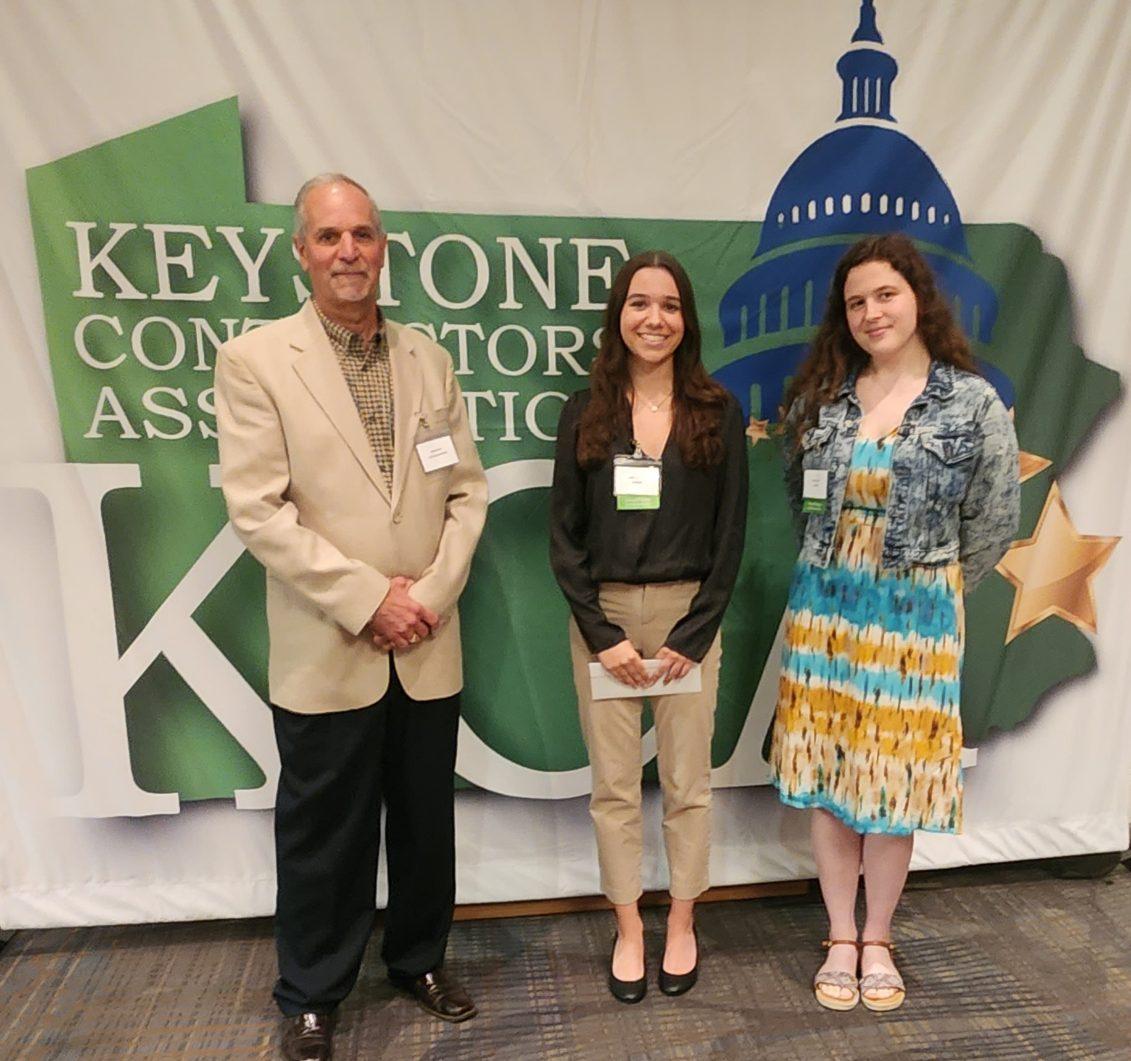
Each year, winners are honored during the Construction Celebration, a special event hosted by KCA in Harrisburg that’s promoted across industry publications and media platforms. In addition to recognizing company-level achievements, the program helps elevate safety awareness and best practices across the state’s construction sector. Highlights from this year’s event: 2025 Construction Celebration Recap

The KCA Safety Awards are open to all association members, and data is submitted confidentially for evaluation. The program aligns with KCA’s broader mission to improve industry standards, foster collaboration among contractors, and promote workforce development throughout Pennsylvania. 

KCA Safety Award Winners in Honored in 2025: 

General Contractor: Safest Record with ZERO injuries over 100k hours 

  • Quandel Construction Group, LLC 
  • NOTE: This category winner receives the HB Alexander Trophy, named after a founding father of the KCA who was renowned for safety leadership.  

Subcontractor: Safest Record over 100k hours 

  • Novingers, Inc. 

General Contractor: Safest Record with ZERO injuries between 50k & 100k hours 

  • Serviam Construction, LLC 

Subcontractor: Safest Record between 50k &100k hours 

  • Penn Installations, Inc. 

General Contractor: Safest Record with ZERO injuries under 50k hours 

  • Bill Anskis Company, LLC 

Subcontractor: Safest Record with ZERO injuries under 50k hours 

  • Ralph E. Jones, Inc. 

Most Improved Safety Record 

  • McClure Company 

About the KCA: The Keystone Contractors Association is a commercial construction trade association that provides services in areas such as safety, education, career development, labor relations, community service and government relations. For more information, interview requests or photographs, please contact the KCA: 717-731-6272 \ Jon@KeystoneContractors.com.

Pennsylvania Weekly Construction Recap – Top Stories for Week Ending August 15, 2025

Here are the top construction stories in Pennsylvania this week:

  • U.S. Steel Clairton Coke Works Explosion: A tragic explosion at the U.S. Steel Clairton Coke Works near Pittsburgh on August 11, 2025, resulted in two fatalities and at least 10 injuries. The incident caused significant damage to the facility, with emergency crews continuing search and rescue operations for a missing worker. The cause of the explosions remains under investigation, and the event has raised concerns about safety and environmental issues at the plant, which has a history of accidents and pollution-related lawsuits. READ MORE.
  • Penn Hills AML Reclamation Project Success: The Penn Hills AML Reclamation Project in Allegheny County was highlighted this week for successfully addressing long-standing issues from abandoned coal mines, such as flooded basements and dangerous mine discharge. Completed by August 12, 2025, this award-winning project has eliminated these hazards, improving living conditions for residents. WATCH VIDEO.
  • State Budget Update Featuring Infrastructure Money: The Pennsylvania House approved legislation that includes $292 million in additional funding for SEPTA, aiming to forestall service cuts that could have slashed up to 50% of transit operations statewide. Furthermore, the bill proposes $325 million in highway funding and $275 million for rural roads, which would sustain and potentially expand crucial infrastructure construction initiatives. READ MORE.

Stay Safe, Stay Informed & Keep Building Pennsylvania!

Pennsylvania Weekly Construction Recap – Top Stories for Week Ending August 8, 2025

Here are the top construction stories in Pennsylvania this week:

Pennsylvania is BOOMING: Pennsylvania’s construction sector is active, with $34 billion contributed to the state’s GDP in 2024 and 31,000 construction establishments. Projects like those in Pittsburgh and statewide infrastructure improvements (e.g., PennDOT’s 684 bridge projects in 2023) indicate robust activity. READ MORE.

Major Work on I-95 In Philly: Overhead sign structure installation will close I-95 North at night August 11-14 in Center City, with ongoing inlet repairs weekdays August 1-29 on I-95 North near Academy Road in Northeast Philadelphia. This represents one of the most significant traffic-impacting construction projects currently underway in the state. READ MORE.

Windfarm Upgrades Help with AI Data Center Growth: Exus recently secured over $158 million to boost capacity at the Twin Ridges wind farm in Somerset County—raising its output by around 30% to 170 MW—and to upgrade the Patton wind farm in Cambria County. These enhancements aim to meet skyrocketing energy demands from AI data centers across the state. READ MORE.

Stay Safe, Stay Informed & Keep Building Pennsylvania!

Pennsylvania Construction Weekly Recap – Top Stories for Week Ending July 18, 2025

This week’s biggest construction news stories.

​Here are the top construction news ​stories across Pennsylvania ​for the week ending July 18, 2025:

  1. GE Vernova Invests $80 Million in Charleroi Facility Expansion
    GE Vernova is investing $80 million to expand its grid solutions factory in Charleroi, Pennsylvania, creating 250 new jobs. This investment aims to modernize the electric grid by increasing production of high-voltage switchgear products, essential for the U.S. power infrastructure. The expansion supports growing energy demands and reinforces Pennsylvania’s role in advancing national grid reliability.​ READ MORE
  2. P​ennDOT Highlights 57 New Transportation Projects in Pittsburgh Region
    The Pennsylvania Department of Transportation (PennDOT) announced 57 new transportation improvement projects set to begin in 2025 in the Pittsburgh region, covering Allegheny, Beaver, and Lawrence counties. These projects will improve 551 miles of roadway and 43 bridges, aligning with Governor Shapiro’s vision for a safe and efficient transportation network. Motorists are urged to exercise caution in work zones.​ READ MORE
  3. $90+ Billion Investment Set to Boost PA Construction JobsCompanies like Blackstone, Google, Amazon, and CoreWeave have announced over $90 billion in AI and energy infrastructure investments across Pennsylvania. Thousands of construction jobs are expected as the state becomes a key hub for digital and energy innovation.​  READ MORE

Stay safe, stay informed, and keep building Pennsylvania strong.

May Is Mental Health Awareness Month

The Keystone Contractors Association is hosting virtual discussions each week in May for Mental Health Awareness Month. These webinars aim to address mental health issues in the construction industry, provide resources for companies and workers. The series ends on a hopeful note with a personal story of overcoming anxiety and depression.

With May being Mental Health Awareness Month, the Keystone Contractors Association is offering some excellent virtual discussions/presentations each week to help us all on our journeys. This journey starts Monday, May 6, at noon and we hope to help many with these events.

Let’s Talk about Mental Health!, Mon, May 6, 2024 at 12:00 PM

To kick off the Mental Health Awareness webinar series, we’re going to first lay the foundation to build off of. Kara McCaffrey starts the conversation, making it known that’s ok to talk about mental health issues. Safety is undeniably critical in construction to ensure you take care of your employees and your business. But did you know that more people die by suicide in construction than from all fatal work-related injuries combined? In this webinar, learn more about mental health, why the construction industry has such high rates of suicide, and hear how one construction company is making a difference in this space. Prioritizing and putting more of an emphasis on worker well-being and mental health, and not just safety, could end up saving more lives than you know.

Construction Wellbeing Initiative, Mon, May 13, 2024 at 12:00 PM

After this opening webinar, and its’ established that’s it’s ok not to be ok, this next webinar focuses on resources for construction companies and workers. When it comes to supporting your field employees’ mental health, you do not need to reinvent the wheel! Sebastien de Ghellinck and his company SkillSignal partnered with Princeton University to identify, analyze, and curate positive interventions from construction professionals that have demonstrated a positive impact on workers’ wellbeing.

Naloxone 101, Mon, May 20, 2024 at 12:00 PM

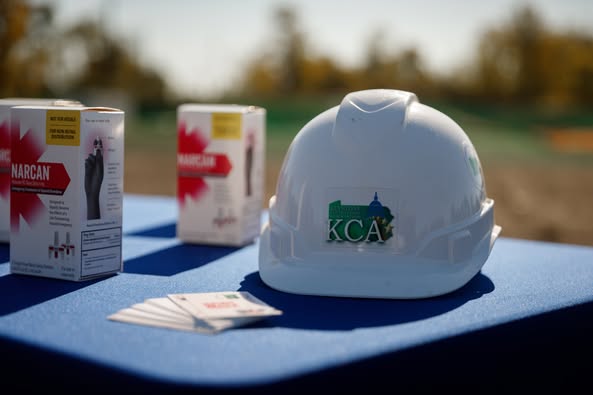
You’ve heard about NARCAN and you may have even known someone who has used it but are you prepared to save someone’s life? As you may know, the KCA supports the annual Construction Opioid Awareness Week and we encourage every construction company to partake in some educational outreach during this week, which is the last full week of July. Each year we build on our resources and feature a new goal or resource. Our goal this year is have every construction jobsite to have Naloxone on it and we are excited to be able to feature Chris Lalevee from Operating Engineers Union 825 deliver this talk. Chris was one of the first advocates in the country for Naloxone on every jobsite.

Living, Working & Fixing Anxiety & Depression from a Construction Executive, Tue, May 28, 2024 at 12:00 PM

At the KCA we are really excited to offer this webinar series during May. We wanted to finish it on a high note with a story of hope and we think we accomplished that goal! Chris Linton is a construction executive from the southeastern area of Pennsylvania who has struggled with major anxiety and depression. It’s a new day for him and his mental health struggles and challenges have improved. He wants to share his story and help others.

Please feel free to share these virtual offerings with your network.

Life Lessons Are All Around

Recently I was driving with one of my daughters and as we went through the construction road project she says, “dad do you know that guy?” She was asking about the flagger who was directing traffic as we entered the construction zone.

I told her I did not know that individual and how I wave to all flaggers. She responded with, “yeah I know you wave all the time, but that guy smiled when he waved back, and it looked like he knows you.”

After we drove through the jobsite, I went on to explain why I wave to the flaggers: Try putting yourself in someone else’s shoes in life. If you have a job where you see people all day long, would you rather see people who look at you, appreciate your role and give you a friendly smile? Or would you rather encounter people all day long that ignore you?

Every job is important and serves a purpose, that’s why employers pay workers for their efforts. Using the construction flagger as an example, can imagine life without the flaggers – it would be chaos without them, and I appreciate the order and safety they bring to our roadways.  

I didn’t expect to have this discussion with my daughter as we drove to her cheer practice, but I’m glad we took advantage of the moment. Life lessons are all around, just look for the signs and make the most when the opportunity arises.

A Veterans Day Message from the Keystone Contractors Association

This Veterans Day let’s all step up our appreciation for our country’s heroes. It’s a nice gesture when we see a Veteran to say ‘Thank you for your service’ but it doesn’t have to end with that. Ask the Veteran how they’re doing or how they’re day is going or if they’re looking for a civilian career.

As you may know Veterans have one of the highest suicide rates in the country. In the recently released 2022 National Veterans Suicide Prevention Annual Report by the Veteran Affairs, it was reported that in 2020 (the most recent data) 6,146 Veterans took their life. Suicide is now the 12th leading cause of death in America and it continues to hit the Veteran population hard. According to the recent VA report, Pennsylvania was the fifth highest on the list with 240 Veteran Suicides. Our state’s annual number has dropped every year since 2017 when we lost 294 Veterans, but at 240 we have lots of work to do and we’re not moving fast enough as we strive to reach zero.

Finances and lack of purpose could be two reasons why one might contemplate this fatal decision. The construction industry offers family-sustaining careers in both professional and labor positions. Construction professionals take pride in building Pennsylvania and with the strong work ethic Veterans are equipped to be successful in this industry.

This year the KCA, in partnership with our labor allies, went to great lengths to educate organizations and individuals who work with Veterans as they transition from the military to civilian life. The Carpenters and Laborers unions have been excellent stewards of the industry and together we worked with both to talk about the benefits of working in this industry, the type of positions and guidance for entering. We are not done either. For the remainder of this year and for the foreseeable future we plan to continue this outreach. If you are interested in learning how you and your organization can get involved, please let the KCA know.

In closing, this Veterans Day saying ‘Thank you for your service’ is appreciated, but remember you never know what a person is going through by simply looking at them and giving a passerby message. A little conversation can go a long way and can be the best way to show your appreciation.

EVENT: 2020 Lessons Learned from PA Safety Directors

A Zoom webinar titled “2020 Lessons Learned from Pennsylvania Safety Directors” will be held virtually on Tuesday, January 26 at 3:00 PM.

2020 was a year like none other. The commercial construction industry had to change the way it operates to keep its workers safe. Hear from safety directors from across Pennsylvania as they share lessons learned and look ahead to 2021.

The esteemed panel features:

  • Darren Rech of Alexander Building Construction Company
  • Don Tracey of Quandel Construction
  • Mike Penrod of Rycon Construction
  • Tom Scott of McClure Company
  • Moderated by Bob McCall of the Master Builders’ Association

To register please email the Keystone Contractors Association (SethKohr@KeystoneContractors.com).

Building PA Podcast Season 1, Episode 13: Building a Safety Culture at Leibold Inc.

Introduction: When I was hired at the Keystone Contractors Association, I explained how 90% of my construction contacts are Pittsburgh-based and I would welcome being introduced to others in the industry located around Pennsylvania.  KCA Board of Director Dave Jones of Cresswell Brothers was one of the first to offer help: “Hey Jon you should call Clayton Leibold.  He runs an impressive operation and places a strong emphasis on safety.” I’m glad Dave made that suggestion.  Clayton operates Leibold Inc., a mechanical contractor based in Pottsville, PA.  His company is highly respected in the industry due to its reliability, production and excellence in safety.  But how did Leibold come to be a safety-first operation? Listen to this Building PA Podcast interview to find out.


To listen to the entire interview visit: Building a Safety Culture at Leibold Inc.

Jon O’Brien (00:03):

Hello, and welcome to another episode of Building PA Podcast, a construction industry podcast taped and recorded right here in the great state of Pennsylvania for our wonderful construction industry. I am Jon O’Brien from the Keystone Contractors Association.

Chris Martin:

And I’m Chris Martin with Atlas Marketing, and we tell stories for people who build things.

Jon O’Brien:

Awesome. Good stuff. Hello, Chris, how are we doing today?

Chris Martin:

Hey, Jon, how are you doing today? I’m looking forward to our discussion today.

Jon O’Brien:

It should be fun. We’re talking safety today. We have a Clayton Leibold from Leibold Inc.. A fine mechanical contractor based in the great town of Pottsville, Pennsylvania. Hello Clay.

Clayton Leibold (00:47):

Hello. How are you doing today?

Jon O’Brien (00:49):

Good. Doing great. Doing good. Well, you are joining us and we’re going to talk safety. And this is part of our safety podcast series we’re calling, Building a Safety Culture.  Your company has been a member now I believe three years, going on three years at the KCA, which is awesome. And during that time, your company has taken home two of the KCA safety awards for safest subcontractor under 50,000 man hours worked with, this is the important part, with zero injuries. So you’re going on a two year streak here, zero injuries. So who better to speak with concerning safety culture, then an award winning safety contractor that places a strong emphasis in the area safety. So welcome to the podcast. Yeah like I said, we’re gonna talk safety here. So you know, you want to touch on your company and just first off, maybe introduce yourself and your company and then we can kind of delve into the safety topic.

Clayton Leibold (02:07):

Sure, sure. So, as you mentioned my name is Clayton Leibold, the owner and president of Leibold Incorporated. We’re a full mechanical HVAC sheet metal and piping contractor located here in Pottsville, Pennsylvania. We are going on eight years in business. My company has been going to be in business for eight years here, but I personally have been in the construction industry and in the field for going on 24 years as a union pipe fitter. So that’s kinda my background. And then as I mentioned, my company was formed about eight years ago and we, you know, serve as all of, pretty much all of Pennsylvania and surrounding States. And we do, you know, emphasize safety as a very important part and aspect of our job and our day to day activities in, in the field.

Jon O’Brien (03:16):

Now, concerning safety, is something that was kind of instilled in you during your 24 years working in the field prior to starting your company?

Clayton Leibold (03:27):

Yeah, it was early on, I could tell that obviously safety is important in the field and it was kind of brought to our attention on a regular basis and we always strive to do things in the safest manner. As you know, going back 24 years, as it’s starting out as an apprentice, obviously you are learning every day and things and certain incidences come up and hopefully you learn from them and can grow and understand how things work, how and why safety is so important, especially in the construction industry, in our field with so many things that could happen you know, on the job site related to heavy objects, multiple things that can occur that we may or may not have control of.

Clayton Leibold (04:31):

So my foreman, project managers I feel did a good job from early on instilling the simple fact that safety is so important. And if you want to continue to do your job, be healthy and continue to be able to do the job that you’re wanting to do it in the proper correct manner. And just be aware of your surroundings and always have it on your mind and kinda remain, not get too laid back in your day to day activities.

Chris Martin (05:13):

Clayton with your experience and clearly you have some amazing experiences leading into this, but what do you see as the biggest challenge for not only the safety industry, but more importantly, the construction industry as it relates to safety?

Clayton Leibold (05:31):

Probably maybe overcoming the jobsite hurdles, the things that are constantly brought up and in the day to day active daily activities of being on site, your timelines are getting shorter and shorter. Things are being accelerated, whether whatever the reason maybe, but I think we all have to keep in mind that can’t compromise the safety of how the job is getting done. And the manner that you do it. So I would say the more recent trend maybe of trying to do as much work as possible in a very short timeframe you know, we just can’t, we can look past or beyond the fact of just doing it in a safe manner.

Chris Martin (06:30):

You know, the construction industry has a, we’ve been talking about it with clients on our end. And I know Jon and I have spoken about it multiple times, and that is a worker shortage. Are you finding that in the safety industry as well? Are you having a hard time finding qualified safety professionals?

Clayton Leibold (06:53):

You know not as hard as someone may think. It is I guess the fact that the construction industry is experiencing a shortage in some fields with us being a union mechanical construction company, we have a good source for competent well-trained individuals up and coming through our apprenticeship programs. So the good key individuals are there to be found. And we’ve had good luck with taking some key employees – foreman, project managers – and kind of molding them into good safety individuals. So, you know, it kind of worked out real well good for us because I feel they’re the best and most competent because we’re taking their field expertise and knowledge and just fine tuning that and molding them into a good safety individual to lead and lay the foundation for the rest of our company as far as the safety program goes

Jon O’Brien (08:17):

And concerning new hires. And when you bring someone on new, either in the field or a project manager is onboarding a challenge at all, as far as making sure that these new hires also believe in safety and they buy into the safety cultures. Is that a challenge at all with new people?

Clayton Leibold (08:40):

Yeah, it can be especially maybe the younger generation or someone that’s not had the experience of being in the field, seeing examples of how safety is so important and possibly not experiencing near misses or smaller accidents that might catch their attention. If they don’t have that knowledge and if they’re coming from a field or something, or straight out of maybe, you know college or high school that just don’t have the experience it is harder, but we just have to take the time to educate them and give them the proper paperwork, the information the protocol of how we operate as a company. And we just have to make sure they understand it and abide by it because it’s not going to be taken lightly. And that’s what I would expect from all my employees. So it’s something that needs to be done and done correctly, or it’s just not going to work out.

Jon O’Brien (09:55):

Yeah. And I’m getting to know your company more and more, you know, we’re a few hours apart, but I’m getting to know your company more. And it seems as though there’s a buy-in amongst your foreman and your top people in the field and in the office on safety, and I’m sure that’s extremely helpful when it comes to onboarding. Do you have any advice to other companies, like how do you get the buy-in or I don’t know if you can touch on that a little bit.

Clayton Leibold (10:23):

Sure, sure. It is difficult at times to make sure that everybody is buying in. It’s important to have the top guys in our safety program leading by example showing that their fellow employees have someone to take after, or look up to, or just bounce questions off of, or conditions of a job site maybe, or someone there to offer some advice or guidance if they would have questions. But as long as they’re there leading by example, getting the rest of the crews to buy in and understand, that’s a way of doing business, that’s the way that I want the culture of the company to be like. And you know, they’re there to make a point that we’re going to discuss safety on a weekly, even daily basis.

Clayton Leibold (11:28):

And that’s what is expected and it is gonna have to happen. And if you just keep driving home that point eventually they believe that it does make sense. And there is proof that it works obviously we’re winning some safety awards and are zero injuries in the field speaks to that so if they see the results and as the results are compounding and building we are on a, knock on wood, a pretty good streak here of not having any work injuries in over three years. So they see the results. And I think it’s easier for them to buy in and accept it as a way of the daily routine.

Chris Martin (12:30):

Yeah. It’s obviously no accident in three years. That’s a great run. And obviously the buy in is there. Also maybe touch on outside resources? I mean, do you reach outside the company to help with maybe training at all? You mentioned the unions, are they helpful at all?

Clayton Leibold (12:50):

Yeah. Yep. They’re very helpful. We belong to a couple different associations, similar to Keystone Contractors Association. We affiliated with SMACNA Sheet Metal Contractors Association, also the MCAA, the Mechanical Contractors Association, and they do offer a wealth of continued education, safety seminars, conferences you know on a regular basis. So we do lean towards them with providing additional valuable tools such as the toolbox talks, the guidelines, some additional safety information that we can implement and add to our portfolio. It cannot hurt to have too much information. You don’t want to keep repeating certain things or harp on certain conditions or aspects. It’s always good to mix it up a bit.

Jon O’Brien (13:58):

Do you have any advice, maybe you’d like to share with a young entrepreneur that wants to start out in industry advice, safety related obviously. There’s various pieces of advice you can give someone, but when it comes to starting a construction company, anything you’d like to share

Clayton Leibold (14:21):

I would say there’s no real, no good example where taking a shortcut in safety, whether it’s your employee, yourself, your fellow employees, or your coworkers, there’s no good reason to do any shortcuts that would compromise the safety of anyone. It would really benefit anyone and would certainly do more harm than good by possibly causing accidents. Whether, like I said, to yourself or to others just for the simple reason that it might be quicker to do a certain task, one way that may be a little bit more unsafe or whatever the reason may be. I just wouldn’t recommend any shortcuts or trying to compromise doing something in a safe way. I actually have had the experience where I had to make a tough call and tell my guys to pull off of a job just for the sole reason that it was unsafe. And it wasn’t a popular decision. The customer was not happy, but in the long run, after further explanation from my point of view, he understood it and ultimately was okay with it and then thanked me. So that’s just a brief example of doing something correctly to not compromise potentially unsafe condition.

Chris Martin (16:11):

Clayton, that’s a great example of safety first, not only for your company, for your employees, but also for the client and the fact that the client came back and said, thank you, hats off to you for that, because that just doesn’t happen that often. But, but my question to you is do you find that a lot of your clients aren’t really focused on safety?

Clayton Leibold (16:38):

You know, honestly I don’t, we don’t. We are finding even more and more of our customers and clients are gearing up and leaning more towards a much safer environment, working environment and job site conditions and working conditions and doing the certain tasks that we were hired to do in the most safe, the safest manner possible. So maybe it’s cause we have some pretty good customers and clients, but I do feel.

Clayton Leibold (17:12):

We definitely work in some very sensitive facilities where that the unsafe type of work is just not tolerated. So we can’t afford to do anything but the job, but do the job safely because we just won’t be working there any longer. So I’ve found that the more, I can honestly say most of our customers and clients expect us and hold us to a very high safety standard. And that’s probably one of the main reasons we continue to be safe is we, we also have that in the back of our minds that if we don’t do this the right way, we may not be working here, not only for my company, but at that facility anyway.

Jon O’Brien (18:06):

Right, right. And I think too, you know, to your point that the entire industry has obviously put a huge emphasis on safety over the last 20 to 30 years, at least, we’ve even seen it with our clients you know, working with trade unions and, and contractors that we go on photo shoots and we know we can’t take photography or video of certain elements because there has to be a certain safety functionality to it. If not, it shows the wrong story or gives the wrong message if you will. So I think you’re right. It’s a balance of everybody understanding how important safety is to move the industry forward and get out of the typical thoughts and perception of the industry itself. So I’m glad to hear that from both you and your company and your clients. That’s great. That’s great. Right? Yep. Kinda done a lot to me. We touched on a lot here today, Chris, any other questions or comments or to say Clayton thank you. This has been really enlightening. And hopefully we can ask you back in the future and we can talk more about safety as it relates, not only to your company, but talk a little bit more about your company in general too.

Clayton Leibold (19:29):

Sure. Sounds good. I appreciate the time that we’re able to take in and continue to shed some light on a safety culture within the skilled trades sector and of the construction industry, and I’m happy to happy to help.

Jon O’Brien (19:52):

Absolutely. And you have been an award winning contractor. Of course, we’d like to have you back on, but I got to have one request. If we have you back in the future, we have to record it at your company. Chris, you have to see the farm. He has goats, horses. I believe you have horses and pigs and you name it. I love it.

Clayton Leibold (20:18):

Sure. We’re happy to show some folks around when we have visitors. We just had a baby donkey last week. So she’s she’s pretty darn cute. So she’s hanging around here, she’s always fun to hang around with. So it works out pretty well. Yeah.

Chris Martin (20:36):

Well, yeah, I’m there, man. I have to say, I don’t think I’ve ever seen a baby donkey, so that’ll be interesting.

Clayton Leibold (20:46):

Sure, absolutely.

Chris Martin (20:48):

All the stuff we talk about here. It’s not just about construction, right. It’s awesome.

Jon O’Brien (20:53):

Yeah.

Chris Martin (20:54):

Very cool. Yeah. Well, thank you for your time here. This is an excellent conversation and we look forward to seeing the baby donkey.

Clayton Leibold (21:05):

That sounds good. Anytime. Thanks for having me.

Building PA Podcast 2020 Year In Review

The Building PA Podcast made it to the 2020 finish line. The Keystone Contractors Association enjoyed working with Atlas Marketing in this endeavor as we talk construction with Pennsylvania’s construction professionals. Afterall, it was the guests who were the true stars of this podcast and we thank each and every guest we’ve had on the show. In 2021 and beyond, we look forward to getting more of you to join the conversation!

For more information on the Building PA Podcast, please visit: https://buildingpapodcast.com/

Building PA Podcast Shareable 2020 Fun Facts

Building PA Podcast published 46 episodes in 2020. The first was Business of Construction – Crisis communications published April 03 and the last was How Drone Technology is Impacting the Construction Industry published December 14. Did we improve this year? (Tweet)

In 2020, the most popular episode of Building PA Podcast was Apprenticeship Training – Sheet Metal Workers, published April 05 and downloaded 208 times. What was your favorite episode? (Tweet)

In 2020, Building PA Podcast was downloaded 902 times from Harrisburg, Pennsylvania; our most popular city! Where do you listen from? (Tweet)

In 2020, fans of Building PA Podcast listened most using Apple Podcasts, iHeartRadio, and Your Buzzsprout Site apps. What’s your favorite app for listening to podcasts? (Tweet)

In 2020, Building PA Podcast published 46 episodes totaling about 21 hours of content. That’s about 1,250 minutes or 75,018 seconds for your listening pleasure. What was your favorite episode?(Tweet)