Pennsylvania Construction Recap – Top Stories for the Week Ending December 19, 2025

This week’s top stories in Pennsylvania:

KCA’s Mental Awareness Task Force Announces Monthly Seminar Series: Titled, Building A Stronger Workforce, the KCA announced this week that starting January 28, 2026, the Association will host a monthly seminar series. Construction is a tough industry and this series tackles real life mental health issues impacting our industry. For more info: A 2026 Construction Seminar Series Building A Stronger Workforce.

Groundbreaking on Massive Southern Berks Industrial Park: A huge 5.5 million-sq-ft industrial park officially broke ground in Southern Berks County, on land once part of the Bethlehem Steel site. Once complete, it’s expected to generate ~2,750 jobs and roughly $2 billion in economic activity, with Phase I scheduled by late 2026. READ MORE.

Pennsylvania Continues Explosive Data Center Expansion: Despite environmental and grid capacity concerns, Pennsylvania’s data center construction boom is accelerating—with approvals like converting the former Cheswick coal plant into a data center moving forward. This positions Pennsylvania as a major hub for AI-driven infrastructure, though some communities and energy regulators are pushing back. READ MORE.

Stay Safe, Stay Informed & Keep Building Pennsylvania!

Pennsylvania Construction Recap – Top Stories for the Week Ending December 12, 2025

This week’s top stories in Pennsylvania:

Major Development Announcement for Historic Philadelphia Landmark: Developers revealed new plans for the Wanamaker Building in downtown Philadelphia that will transform the historic site with a renovated Grand Court, residential conversion of upper floors, and an 18×60-foot rooftop pool. This project is intended to overhaul a struggling section of Market East and boost economic activity. Construction is expected to start in early 2026. READ MORE.

Energy Efficiency Jobs Continue to Grow: A recent report highlights that energy efficiency employment climbed 4.63% in 2024, outpacing national growth, with over 76,000 people working in the sector across Pennsylvania. This growth reflects stronger demand for energy-efficient construction and retrofits. READ MORE.

Pennsylvanians Are Skeptical of AI’s Impact on the Economy: A new poll shows nearly twice as many Pennsylvanians believe AI will hurt the economy as those who think it’ll help — with concerns especially around job losses and impacts on local industries like data centers. This sentiment contrasts with ongoing tech infrastructure expansion. READ MORE.

Stay Safe, Stay Informed & Keep Building Pennsylvania!

Pennsylvania Construction Recap – Top Stories for Week Ending November 21, 2025

This week’s top stories in Pennsylvania:

Central Pennsylvania AEC Holiday Toy Drive – Time to register for the Improving Project Outcomes year end event featuring a panel of tomorrow’s leaders as well as the popular AEC Toy Drive! December 15th – See you there: To register: Building Tomorrow, The Next Generation Panel.

Oakmont Wastewater Treatment Plant Construction Begins: A major construction project kicked off to build or upgrade a wastewater treatment facility in Oakmont, PA. This infrastructure build is important for environmental management and local utilities. READ MORE.

Highway Work on U.S. 1 in Bucks County: PennDOT confirmed construction (lane closures) along U.S. 1 in Bucks County for the week. These are part of a $116 million reconstruction and widening project on that stretch. READ MORE.

Stay Safe, Stay Informed & Keep Building Pennsylvania!

Pennsylvania Construction Recap – Top Stories for Week Ending November 14, 2025

This week’s top stories in Pennsylvania:

Pennsylvania State Budget Update: After months of negotiations, this week Pennsylvania leaders finalized a $50.1 B budget for fiscal year 2025-26m representing a 4.7% increase over last year. The agreement avoids using the Rainy Day Fund by repurposing roughly $3 B in lapsed or excess funds from state agencies and special accounts, while trimming $500 M from the Governor’s original Human Services proposal. Lawmakers also rebased agency budgets to reflect actual spending, helping contain overall growth without any broad-based tax increases or new revenues from gaming, tobacco or other alternative sources. READ MORE.

MORE State Budget News: A major centerpiece of the final deal is energy and economic reform. The budget withdraws Pennsylvania from the Regional Greenhouse Gas Initiative (RGGI) and includes new permitting reforms to streamline project approvals. It also continues to the Corporate Net Income Tax phase-dowm and maintains expanded business deductions – policies expected to save employers roughly $1.4 B compared to previous years. READ MORE.

LASTLY on the State Budget: On education and families, lawmakers added $50 M for school-choice scholarships and preserved cyber-charter options by rejecting a proposed statewide rate cap. The budget also boosts K-12 funding and introduces a new state Earned Income Tax Credit (10% of the federal EITC) for working Pennsylvanians. Additional investments support seniors, agriculture, and transit – all without tapping the state’s emergency reserves. Overall the 2025-26 State Budget reflects a compromise that curbs spending, protects taxpayers and strengthens Pennsylvania’s long-term fiscal stability. READ MORE.

Stay Safe, Stay Informed & Keep Building Pennsylvania!

Pennsylvania Construction Recap – Top Stories for Week Ending November 7, 2025

This week’s top stories in Pennsylvania:

The General Election was this Week – I Hope Construction Voted: The general election was held this past Tuesday; it was a non-presidential, off-year election focused primarily on municipal races (e.g., mayors, school boards, county offices), and judicial retentions. These elections typically see lower turnout than presidential or midterm cycles due to less national attention and fewer high-profile races. Based on available data, statewide voter turnout in 2025 was approximately 32% of eligible voters. This represents a slight increase over recent comparable off-year elections, attributed in part to judicial retention votes and local issues like infrastructure and economic revitalization, which may have boosted engagement in urban and suburban areas. Early reports from counties like Bucks (initial estimates around 28-42%) and York noted stronger-than-expected participation compared to primaries, with steady voter streams and occasional lines—uncommon for off-year cycles.

Major Data Center Campus Proposed in Lackawanna County: Archbald I LLC has filed zoning permit applications to build 22 buildings across two campuses in Archbald — 18 buildings on ~410 acres and 4 buildings on ~66 acres — totaling about 3.3 million sq ft of floor space. Large scale campus means job opportunities, infrastructure demand, and local economic impact (e.g., utilities, transport). READ MORE.

Pennsylvania DOT Wraps Up Big Season of Road/Bridge Construction in South Central PA: District 8 (covering Adams, Cumberland, Dauphin, Franklin, Lancaster, Lebanon, Perry, York counties) reports: 111 active construction projects this year, of which 53 completed so far; work included replacement/ repair of 32 bridges and paving of 147 miles of roadway. READ MORE.

Stay Safe, Stay Informed & Keep Building Pennsylvania!

Pennsylvania Construction Recap – Top Stories for Week Ending October 17, 2025

This week’s top construction news in Pennsylvania:

AEC Industry Unites to Raise Scholarship Funds: The KCA held its annual sporting clays event this week, attracting construction executives, labor leaders and policy makers. To view the pictures from this event: 2025 KCA Sporting Clays Event.

Does Time Run Against the King? Clearfield County Jail Case Before Supreme Court: A legal challenge before the Pennsylvania Supreme Court is seeking to reinterpret or reduce the 12-year statute of repose for construction liability. If successful, this could expose architects, engineers, and contractors to far longer liability periods than under current law. READ MORE.

$39 M State Funding to Prepare Shovel Ready SITES: Pennsylvania is allocating $39 million through its PA SITES initiative to ready 11 industrial parcels (improving infrastructure, utilities, access, remediation) to accelerate construction once investors commit. The aim is to reduce delays and attract large-scale development to underused land. READ MORE.

Stay Safe, Stay Informed & Keep Building Pennsylvania!

Need More Money for Public Transportation? Stop Wasteful Construction Mandate

It’s time to put Pennsylvania’s construction laws in the 21st century and reinvest the savings in keeping Pennsylvanians moving.

By Jon O’Brien

Open any Pennsylvania newspaper over this past summer and you’ll read about a serious funding crisis in public transportation. SEPTA warns of service cuts, riders worry about fare increases, and regional transit systems across the Commonwealth struggle to keep buses and trains running. Without new investment, the mobility lifeline for hundreds of thousands of Pennsylvanians is at risk.

Yet while these urgent debates unfold, our state continues to waste millions of dollars every year on outdated construction mandates. At the heart of this waste is the Separations Act, a 1913 law unique to Pennsylvania that requires public construction projects to use multiple prime contractors: one for general construction, another for electrical, another for plumbing, and another for HVAC.

On the surface, this might sound like accountability. In practice, it creates duplication, inefficiency, finger-pointing, and costly delays. With four or more contractors working independently, coordination becomes a nightmare. Disputes often spill into litigation. Schools, courthouses, and state facilities take longer and cost more than they should — and taxpayers pick up the tab.

Meanwhile, every other state in the country, along with the federal government, allows public agencies to use modern, cost-effective delivery systems such as design-build or construction manager at risk. These systems give owners flexibility, streamline accountability, and have a proven track record of saving money while delivering quality projects on time. Pennsylvania alone forces public entities — from small school districts to large universities — into a fragmented system that inflates bids and extends timelines.

The results are obvious:

  • Higher costs: taxpayers pay more for every classroom, fire station, or state office building.
  • Slower projects: delays compound as multiple contractors clash over responsibilities.
  • Lost opportunities: dollars wasted on inefficiency could otherwise support public priorities.

Those lost opportunities matter. Right now, they could mean the difference between SEPTA keeping buses on the road or cutting vital routes. They could mean whether Pittsburgh Regional Transit can maintain service or be forced to shrink. They could even mean whether rural transit systems continue to connect seniors and workers to healthcare and jobs.

If Pennsylvania leaders are serious about solving our infrastructure and transit funding gaps, then modernizing the Separations Act must be part of the solution. We cannot keep protecting a broken law from 1913 while buses are being cut, riders are stranded, and taxpayers are stretched to the limit.

Opponents of reform argue the Separations Act prevents monopolies and keeps contractors honest. But in truth, the rest of the nation has moved on to modern procurement systems that are just as competitive and far more efficient. Private industry relies on them. States across the political spectrum rely on them. Pennsylvania stands alone in clinging to an antiquated rule that no longer works.

Public construction should serve the public — not outdated mandates or entrenched special interests. By modernizing the Separations Act, Pennsylvania can save millions, deliver projects faster, and free up scarce resources for the infrastructure that actually supports economic growth and quality of life.

Taxpayers deserve a government that spends smarter. Transit riders deserve reliable service. Communities deserve modern schools and facilities built on time and on budget. Reforming the Separations Act is a commonsense step toward all three.

It’s time to put Pennsylvania’s construction laws in the 21st century and reinvest the savings in keeping Pennsylvanians moving.

Jon O’Brien is Executive Director of the Keystone Contractors Association, a commercial construction trade association that represents major contributors to employment and economic growth in Pennsylvania.

Pennsylvania Construction Recap – Top Stories for Week Ending September 12, 2025

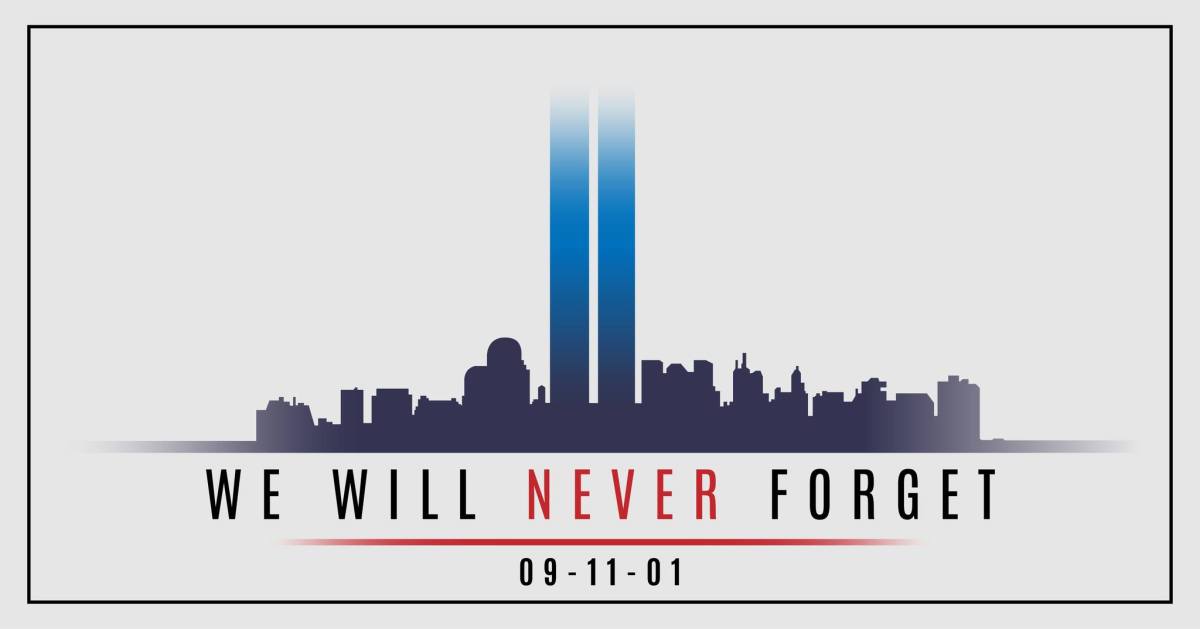
This week we pause to remember the lives lost on September 11, 2001, and honor the bravery of the first responders and everyday heroes who answered the call that day. May we never forget their sacrifice, and may we continue to stand united in their memory.

Here are the top construction stories from Pennsylvania this week:

SEPTA Avoids Cuts by Tapping into Reserves & Enacting Fare Increases: The Southeastern Pennsylvania Transportation Authority (SEPTA) is using $394 million in state-provided capital project reserves to restore transit services that had recently been cut to address a roughly $200 million deficit. The agency also approved a 21.5% fare increase, which is expected to generate about $31 million more annually. READ MORE.

Solar For Schools – Potential?: Despite reports on all this savings potential for going solar, only two schools in the Philadelphia school district currently have solar systems. The state’s Solar for Schools Grant Program has funded over two dozen school solar projects elsewhere in the region. READ MORE.

Harrisburg Revival Plans: Local planning experts are calling for renewed momentum in downtown Harrisburg development. A recent reflection points out a drop in large-scale projects since 2008, and challenges (funding, vision, parking) that have discouraged developers. READ MORE.

Stay Safe, Stay Informed & Keep Building Pennsylvania!

The Impacts of an Inefficient, Cumbersome Law

The following article first appeared in the Keystone Contractor Magazine’s Spring 2023 edition. To view the entire issue visit: https://issuu.com/atlasmarketing/docs/the_keystone_magazine_spring_2023_final_issuu_0420?utm_medium=email&utm_source=sharpspring&sslid=MzcxtzQwMjE1MbcwAwA&sseid=MzI1MTUzNzOyNAAA&jobid=8e832794-eea0-4ecd-80ef-31f10ccb9ec3

The Impacts of an Inefficient, Cumbersome Law

The Separations Act – Wasting Tax Dollars Since May 1, 1913

By Jon O’Brien

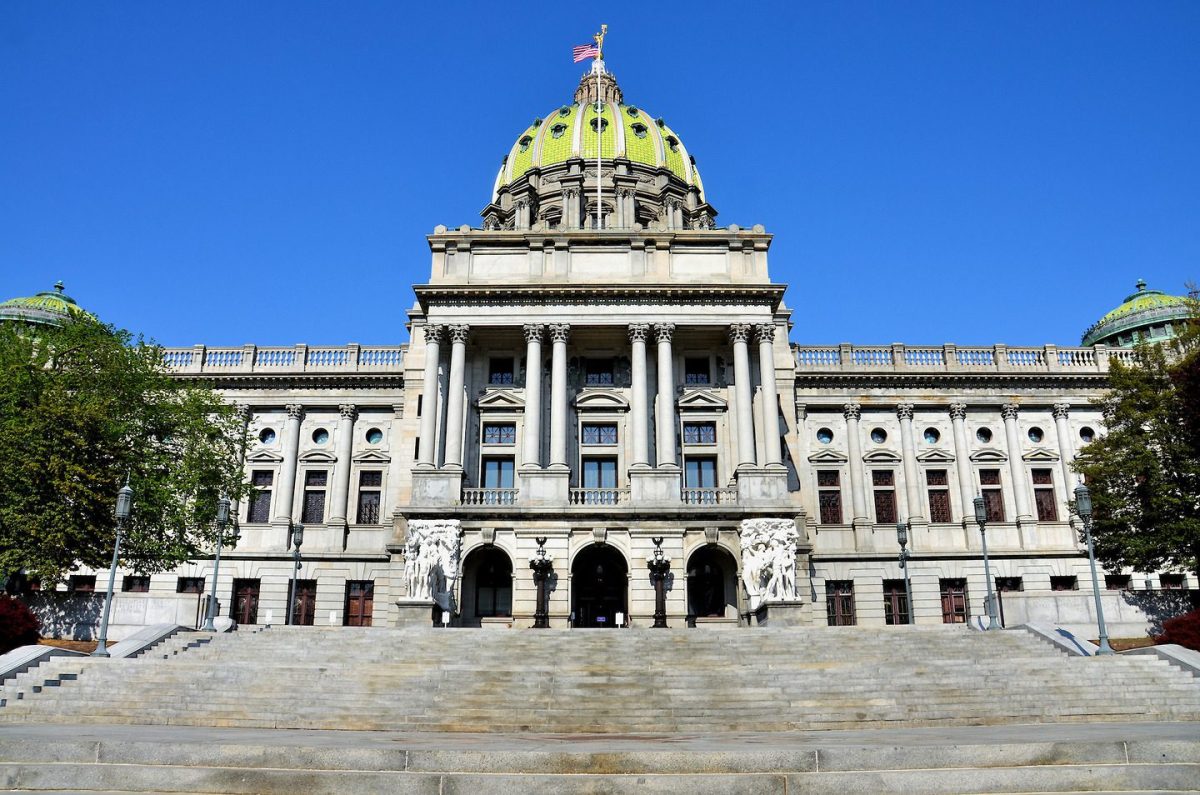
President Theodore Roosevelt was among the admirers of Pennsylvania’s new Capitol building at the dedication ceremony on Oct. 4, 1906.

“This is the handsomest State Capitol I ever saw,” the president said as he entered.

While it was a magnificent building, the project was way over budget – three times more than the legislature allocated.

The subsequent investigation resulted in a law that, while well-intended at the time to protect taxpayers from fraud, is no longer relevant today. Instead, it is costing taxpayers money because it requires inefficient construction methods on public projects.

That $7.7 million Capitol overrun – the equivalent of more than $211 million today – triggered a probe that revealed grafting. Capitol architect Joseph Huston, superintendent of construction James Shumaker, general contractor John Sanderson, state Auditor William Snyder and state Treasurer William Matheus were sentenced to prison.

With little financial stewardship, each convicted individual had profited tremendously. But this sort of illegal activity wasn’t just happening at the Capitol project – it was the norm on public projects at the time.

Fast forward to 1913. Public outrage over the scandal remained. There was pressure on public officials to do something. Republican Gov. John Tener, a former congressman and major league baseball player, signed the Separations Act.

It mandated multiple prime contractors on all public construction projects. The thought was that the more eyes there were on the project, the less likely that there could be collusion for fraud.

Perhaps 110 years ago, enacting the Separations Act made sense due to the circumstances at the time. Other states imposed similar rules.

But in this day and age, every cent can be easily tracked. Every other state has done away with their laws because they recognized they were outdated and that providing options in construction delivery methods is the most-efficient way to spend tax dollars on construction.

Pennsylvania continues to cling to its law. Here’s how that is hurting taxpayers by driving up the price of constructing public buildings.

Requiring multiple prime contractors – one for HVAC, one for electrical, one for plumbing and one for general trades – means the owner must bid out and manage four separate contracts.

The primes are not contractually connected and this impedes communication with each other. This lack of contractual relationship also hurts the communication between the architect and the primes.  Each prime contractor and the architect are directly contracted with the project owner – like a school district, municipality or other government entity – and because of that all communication runs through the project owner.

The lack of a single point of contact from the construction team creates a nightmare of a scenario for the owner. It’s inefficient and cumbersome.

Most problematic is it eliminates the possibility of collaboration during pre-construction,  which is a more-efficient method of construction. If early collaboration were allowed between the project architect and a single construction manager, projects would proceed more smoothly. Hurdles could be anticipated and resolved in advance. Without collaboration, expertise from the construction team is sparse, if at all, during the design phase.

Legislation has been proposed several times in recent years that would do away with or amend the Separations Act.

During a legislative budget hearing in 2017, state Secretary of General Services Curt Topper testified that the Separations Act “requires that we do business less efficiently than we could otherwise do business.”

He said the old law “effectively sets up a situation where it is much more difficult to design a project, to bid a project and to manage a project. So, I’d love to see us address that problem.”

Yet the law remains on the books.

Its inefficiency is well-documented.

From 2000 to 2010, public education projects could opt out of the Separations Act through the Education Empowerment Act that was enacted during Gov. Tom Ridge’s administration. Seventy school districts applied for the waiver during that period, an indication of the unpopularity of the Separations Act.

The Allegheny Conference reviewed some of those projects and issued a report concluding that savings of between $8,000 to $2.5 million were achieved on school construction projects that used a single prime contractor instead of multiple primes.

Kennett Consolidated School District did one project with a single prime and one with multiple primes per the Separations Act. The single prime project was finished two months ahead of schedule and $300,000 under budget. The multiple prime project came in over budget. This is just one the many examples to show that the Separations Act is costly to taxpayers.

There is a long line of organizations, trade unions and governments that are lobbying for modernization of the Separations Act.

They include: Pennsylvania Chamber of Business & Industry, National Federation of Independent Businesses PA Chapter, Pennsylvania School Board Association, Pennsylvania Coalition of Public Charter Schools, Pennsylvania Association of School Business Officials, PA Association of Rural and Small Schools, Green Building Alliance, Green Building United, U.S. Green Building Council Central PA, Keystone Contractors Association, Master Builders’ Association of Western Pennsylvania, National Utility Contractors Association Pennsylvania chapter, Association for Responsible and Ethical Procurement, Carpenter Contractor Trust, Construction Legislative Council of Western Pennsylvania, Design-Build Institute of America, General Contractors Association of Pennsylvania, General Building Contractors Association, Cement Masons Local 526, Eastern Atlantic States Regional Council of Carpenters and Laborers’ District Council of Western Pennsylvania.

Many public owners want to modernize the Separations Act and a few of the more vocal ones include: Philadelphia School District, Pittsburgh Water and Sewer Authority, Peters Township School District, Cumberland Valley School District and Community College of Allegheny County.

Jon O’Brien is Executive Director of both the Keystone Contractors Association and the General Contractors Association of Pennsylvania. He can be reached at 717-731-6272 and Jon@KeystoneContractors.com.

Private Sector Can Help Our Government

During the Coronavirus Pandemic, Governor Wolf issued an Executive Order to shutdown all non-life sustaining businesses in Pennsylvania. The General Contractors Association of Pennsylvania (GCAP) was torn internally, with one faction thinking that this shutdown was necessary and another group that thought it was too excessive and businesses should still operate. Despite this conflict among our leadership and members, we had complete consensus that the health and safety of our workforce is our top priority.

Instead of advocating for construction to reopen, GCAP got to work on what we agreed on and in late March we published the Construction Industry’s COVID-19 Response Plan. It was a comprehensive safety plan with proper social distancing, PPE requirements, sanitizing, etc. I believe we were the only construction-related organization in Pennsylvania that did not lobby to reopen.  Because the health and safety of the worker was extremely important to us, I believe we gained the trust of Governor Wolf and that’s why I believe he used our safety plan to create his construction guidelines. (Governor Wolf’s press release.)

Heading into 2020 no one could have foreseen the conditions that we find our Commonwealth in. Unemployment went through the roof. Tax coffers are projecting shortages in the BILLIONS. Yes, it’s true, COVID-19 has steered us into uncharted times.

Citizens in this Commonwealth need public services now more than ever. From the nursing home residents to the young school kids looking for their next meal and to every age in between, Pennsylvanians are hurting. We cannot leave our neighbors stranded and simply chop out needed services in this year’s 2020/2021 budget negotiations when they resume after the short-term budget gets us through the fall elections.

However, what can happen is that a thorough review of all expenditures can make sure tax dollars are efficiently spent. Our Commonwealth is fortunate to have dedicated and intelligent legislators from both sides of the aisle involved in this review process. Additionally, much like Governor Wolf turned to the private sector in creating the Commonwealth’s safety guidelines, the legislature should continue to look to the private sector to incorporate proven best practices to improve the way our government operates. Each industry sector should join the process to help our Commonwealth.

When it comes to construction, Senate Bill 823 is a vehicle that can address construction procurement reform. This legislation, which has a diverse coalition and also has labor support, can save our Commonwealth 10% on public construction. Pennsylvania is the only state in the country that mandates an inefficient process known as the multiple prime delivery method (THE ONLY STATE IN THE COUNTRY – LET THAT SINK IN). Now is the ideal time to address inefficiencies in our procurement process on behalf of taxpayers.